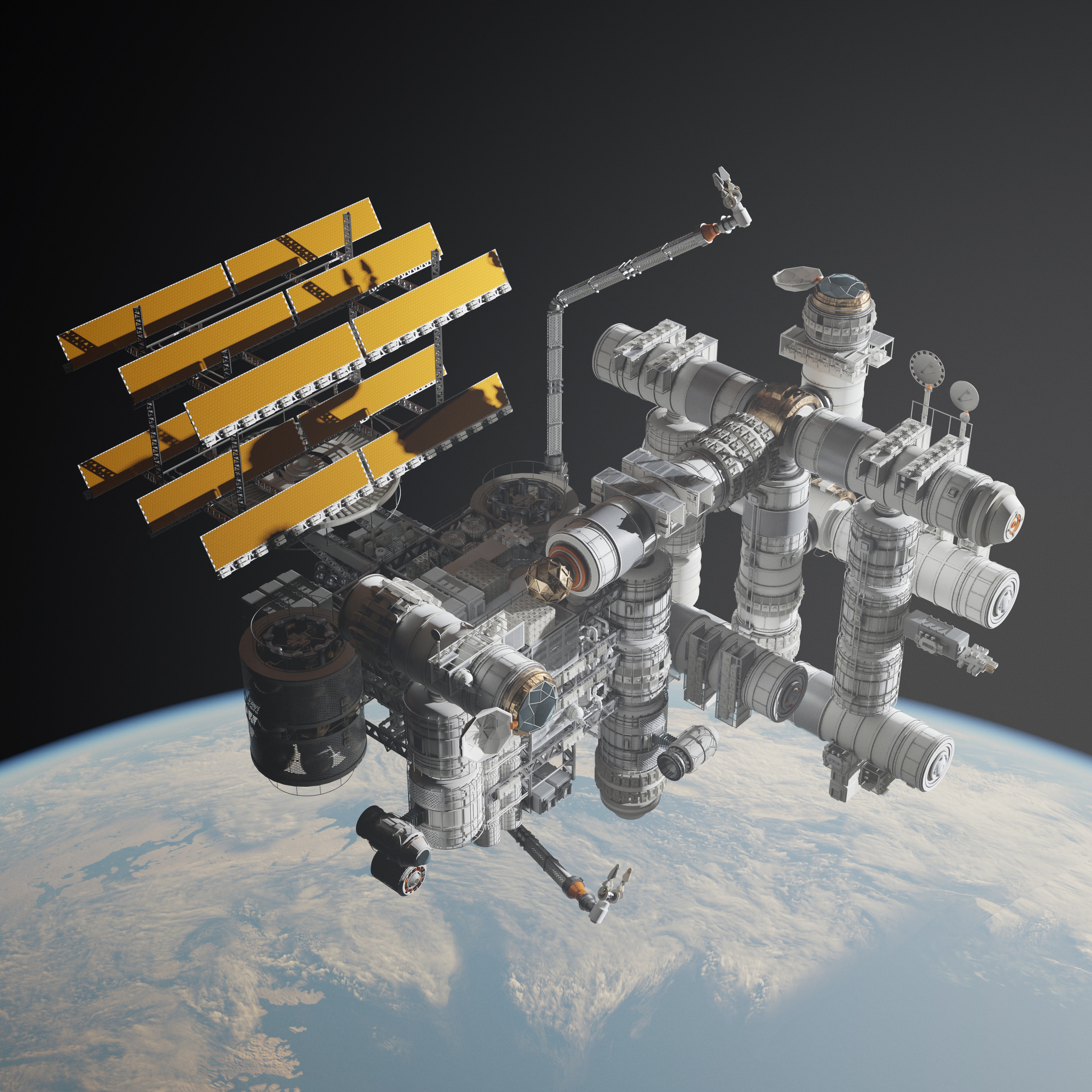
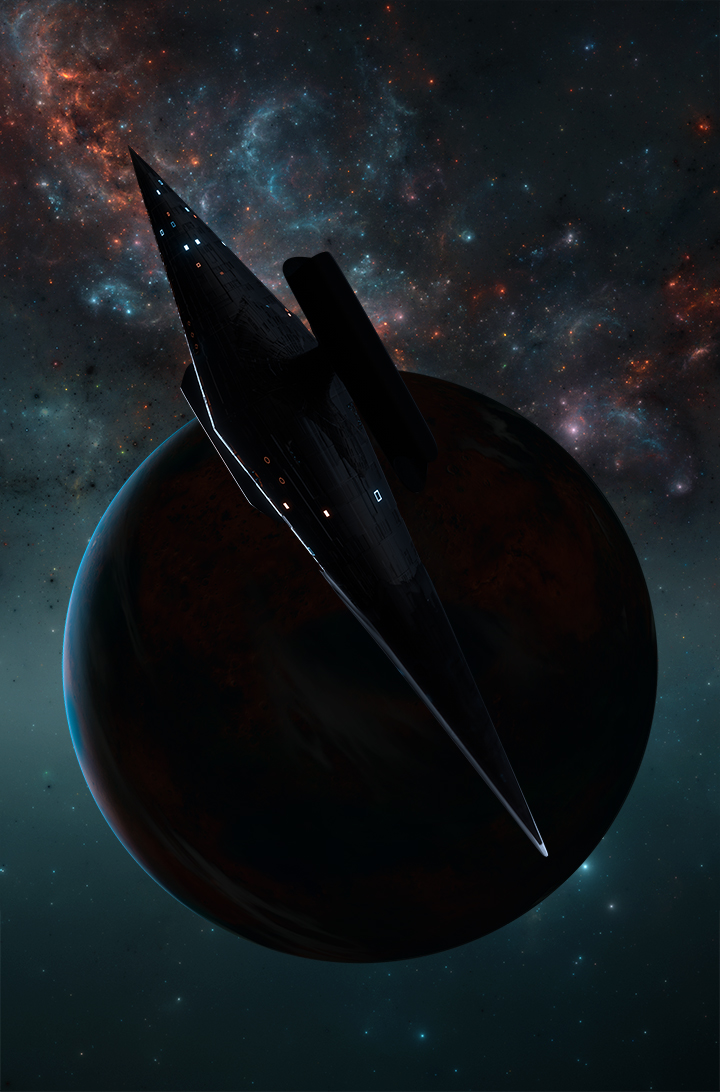
This is my latest bit of Blender work. I’m really pleased how it came out. It’s a near future space station. Modular, like the ISS, but bigger, much bigger. In orbit – somewhere.
I really enjoy designing and building stuff that looks plausible. Like NASA/ESA stuff – but from maybe twenty years in the future.
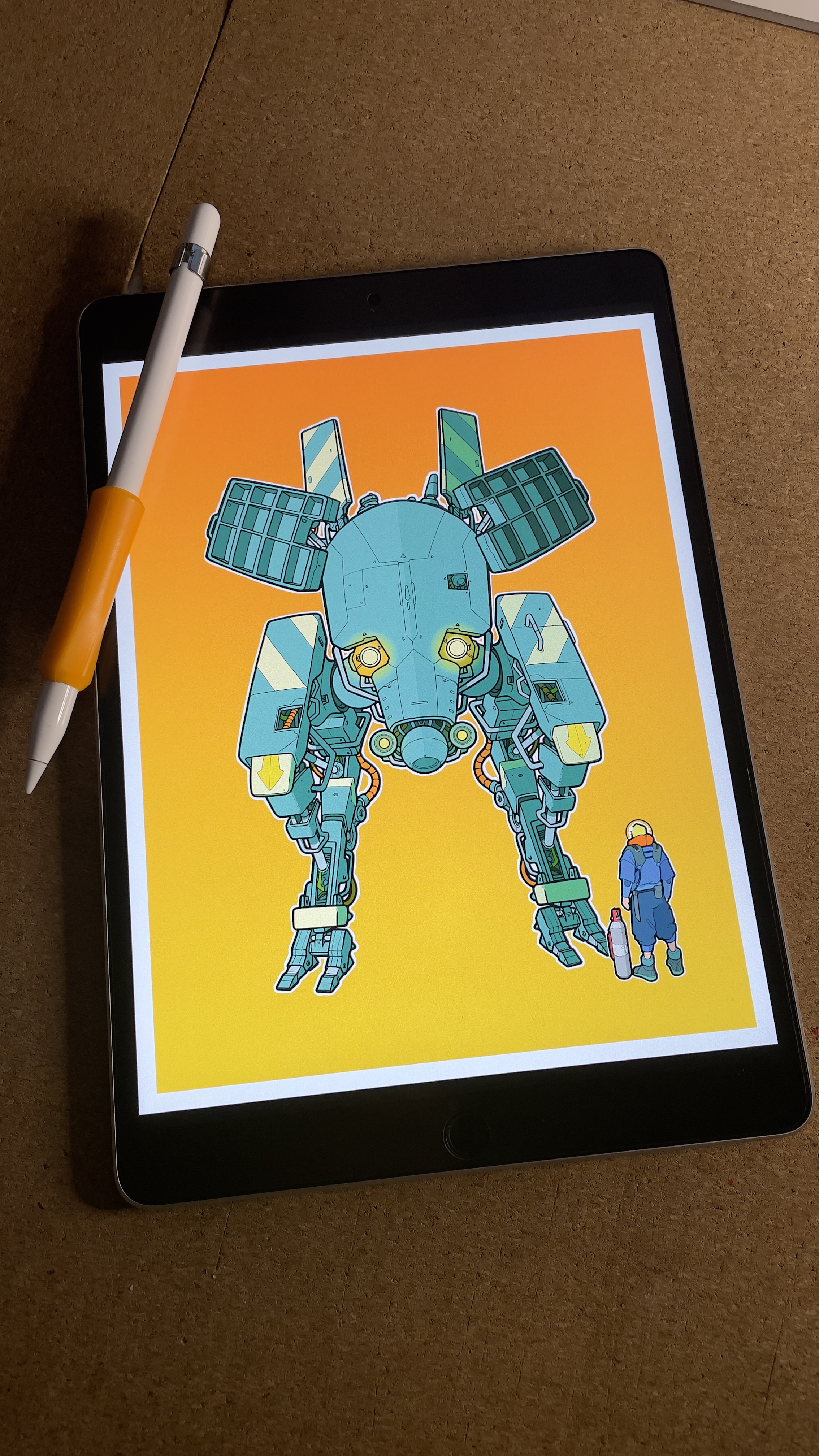
I’ve been learning some 3D. I’ve been trying, and failing, for years to get to grips with 3D software – downloading trial versions of Cinema4D, ZBrush, AutoCAD… and trying out free software such as SketchUp. I also tried Blender a few times – and found it similarly baffling. After years designing for 2D, I just couldn’t get my head around that extra dimension.
Until…
I found a Tutorial by CGMasters, helpfully called Blender for Complete and Total Beginners. Target audience right here. And it was great. Rather than just showing you what to do to build something, this course by Chris Plush, actually explained WHY to do things in order to build them. So instead of learning to model a 3D glazed donut (a tutorial everyone seems to try), I learnt how to use Blender’s tools to build a little desert island scene.
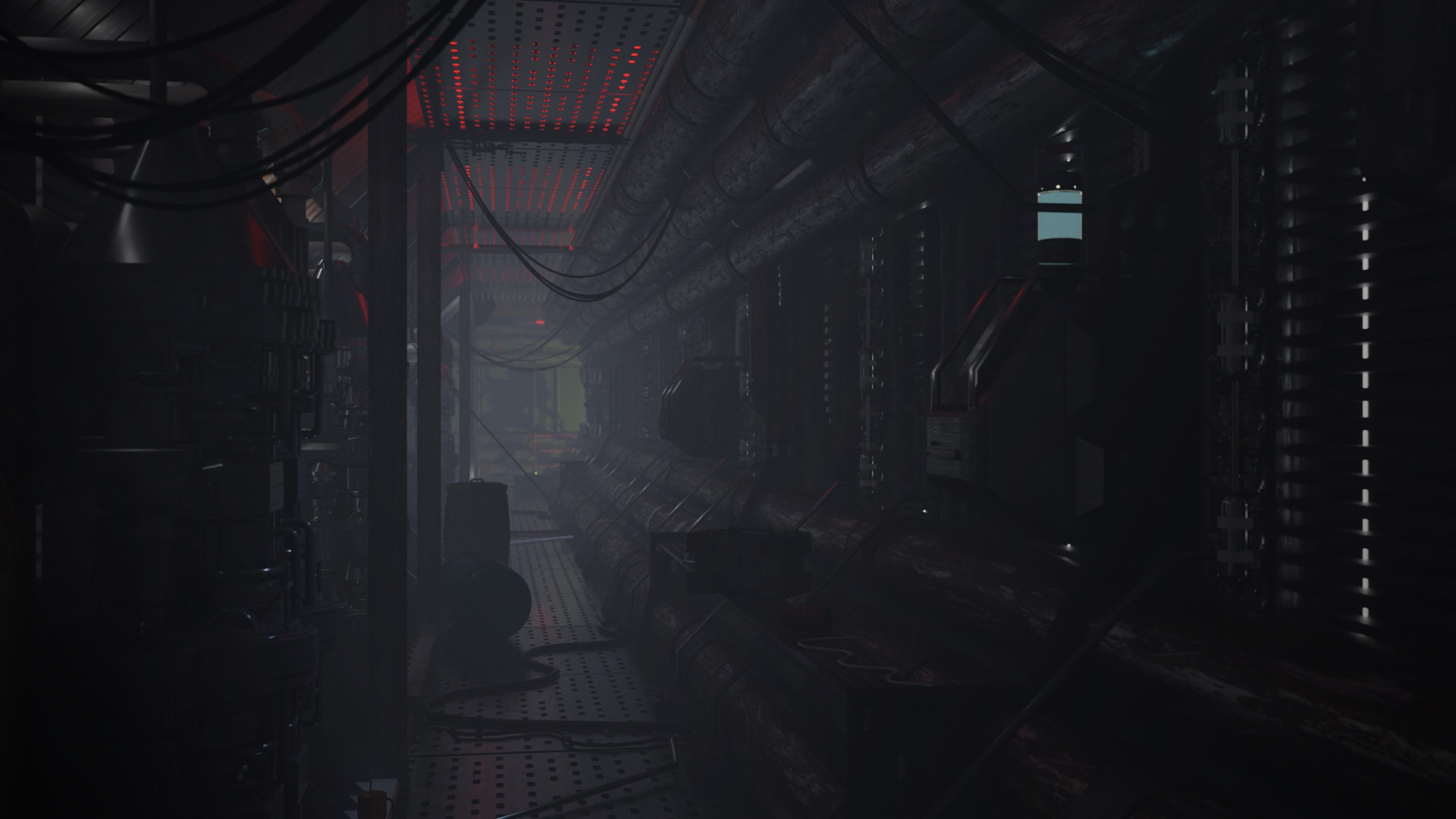
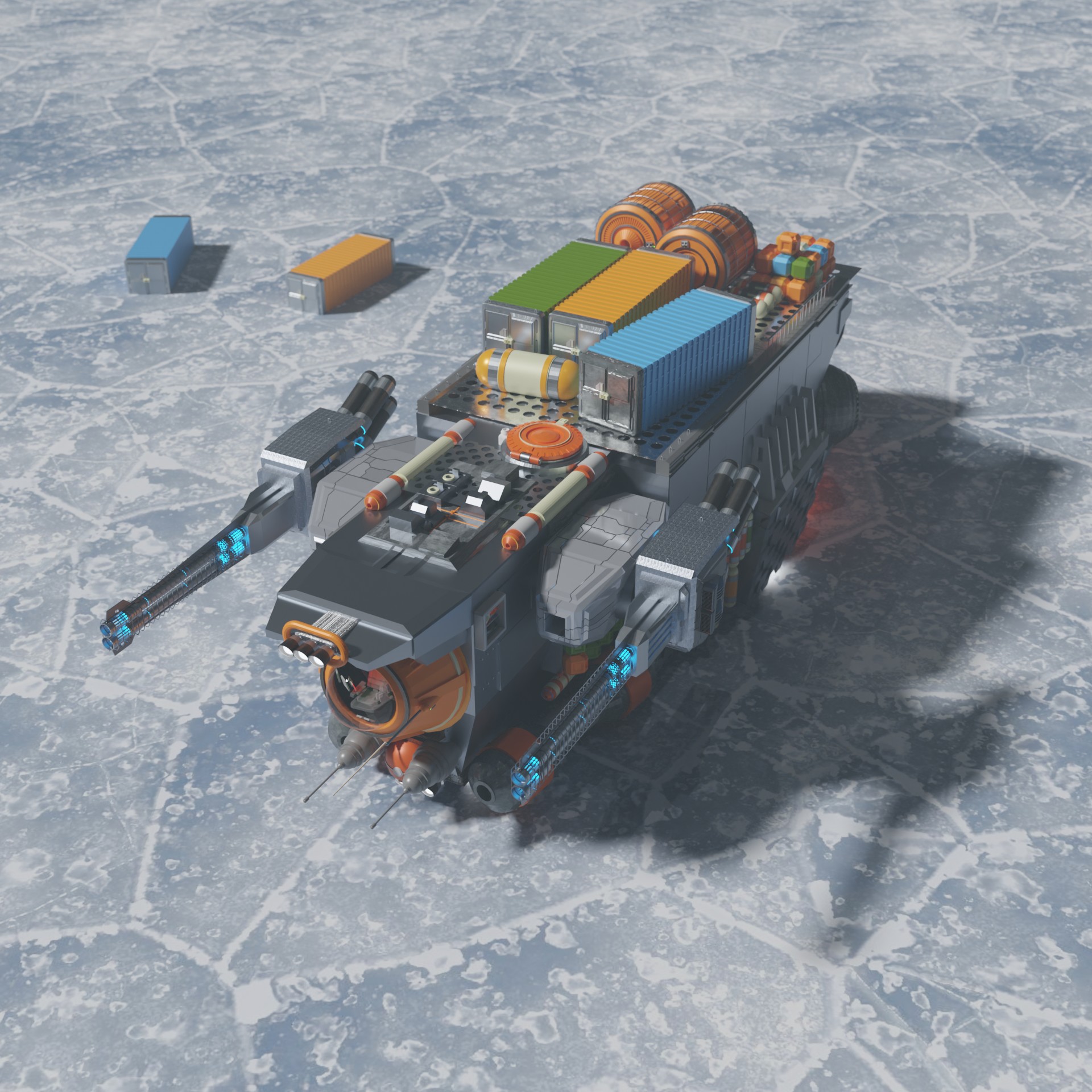
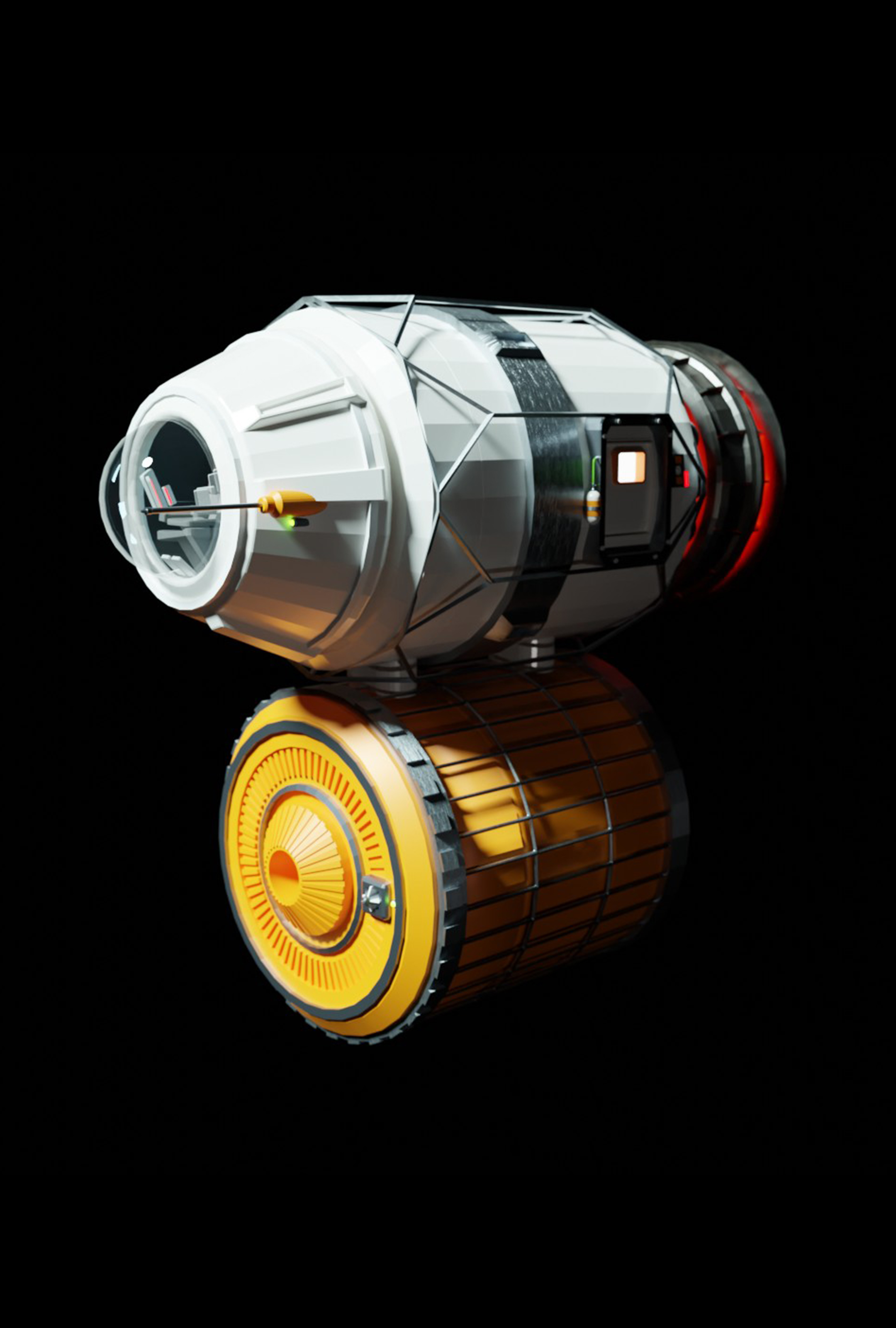
The course covered the basics so well I was able to go away and start building my own models straight away. I’m not on commission by the way, but I really do recommend that course. So what have I built in the last few months since I started learning Blender?
I’m amazed at how quickly I’ve picked things up, and that’s absolutely testament to how good that course is, and how powerful Blender is, but I still have a LOT to learn.
Next on the list are more spaceships and perhaps a scene from Bladerunner or Star Trek.
Hopefully I’ll be back soon with more multidimensional goodies.
As ever, it’s been a while. I have been pretty busy with a few jobs though, so I hope you’ll forgive me.
A couple of long term projects are just coming to a close, giving me a bit of breathing space – very welcome, but also leaving a big gap in terms of income – not so welcome. Definitely time to cast my eyes around for some more work.
Much of my work in the last year or so has been in the TTRPG (Table Top Role Playing Game) space, either on games themselves, or on some associated illustrated bits and pieces. There’s a big game coming out this year, called Zeo Genesis – which is a Warhammer 40k style game, set in the far future. I worked on a range of stuff for the game, from concept art for spaceships, to scenery designs, and even some work on the logo and design of the rulebook. The other big project, was An Infinity of Ships, which is a ‘system agnostic’ toolkit for sci-fi rpgs. It can be used by GMs, players, or game designers, to help flesh out their world building and to give some weird flavour to their games – particularly with regard to spaceships. Here are a few of the 80+ images I created for An Infinity of Ships.
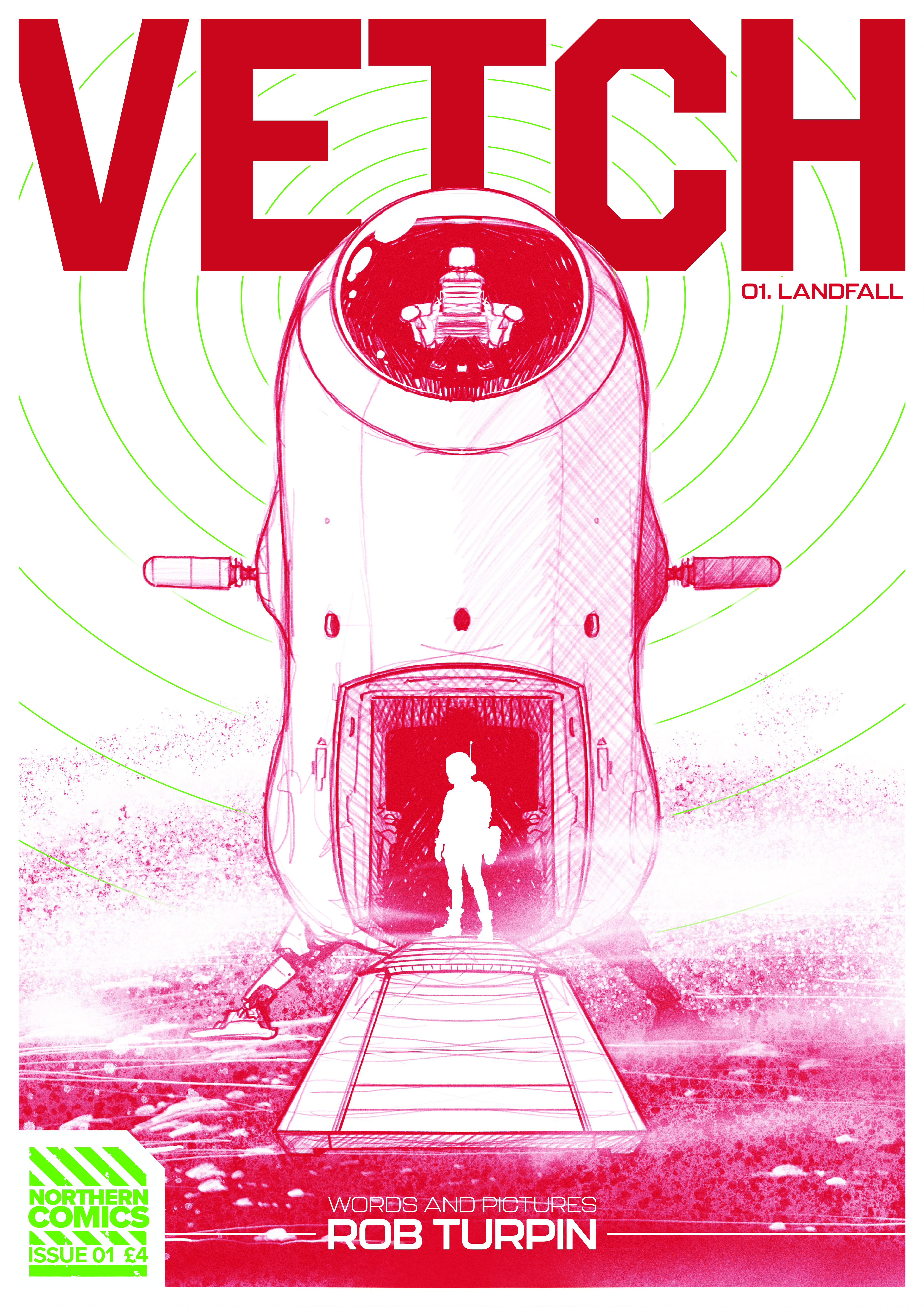
I’ve also recently been playing around with some ideas for a comic – not that I’ve actually written one. I did a sketch (below), and someone suggested it looked a little like a comic cover, so I made it in to one.
I really liked how this looked, so I decided to create a few more. There’s no real story for the comics yet, just this short outline I posted to Twitter…
One more job they said. One more job, then I can retire. Retiring at thirty isn’t unheard of, but it’s unusual enough to get me some curious looks back at The Mission. Not everyone’s been thirty as long as I have though. I’ve earned a rest.
Maybe, just maybe, something will come of this idea. Perhaps. And if not, it’s a fun little project just making covers.
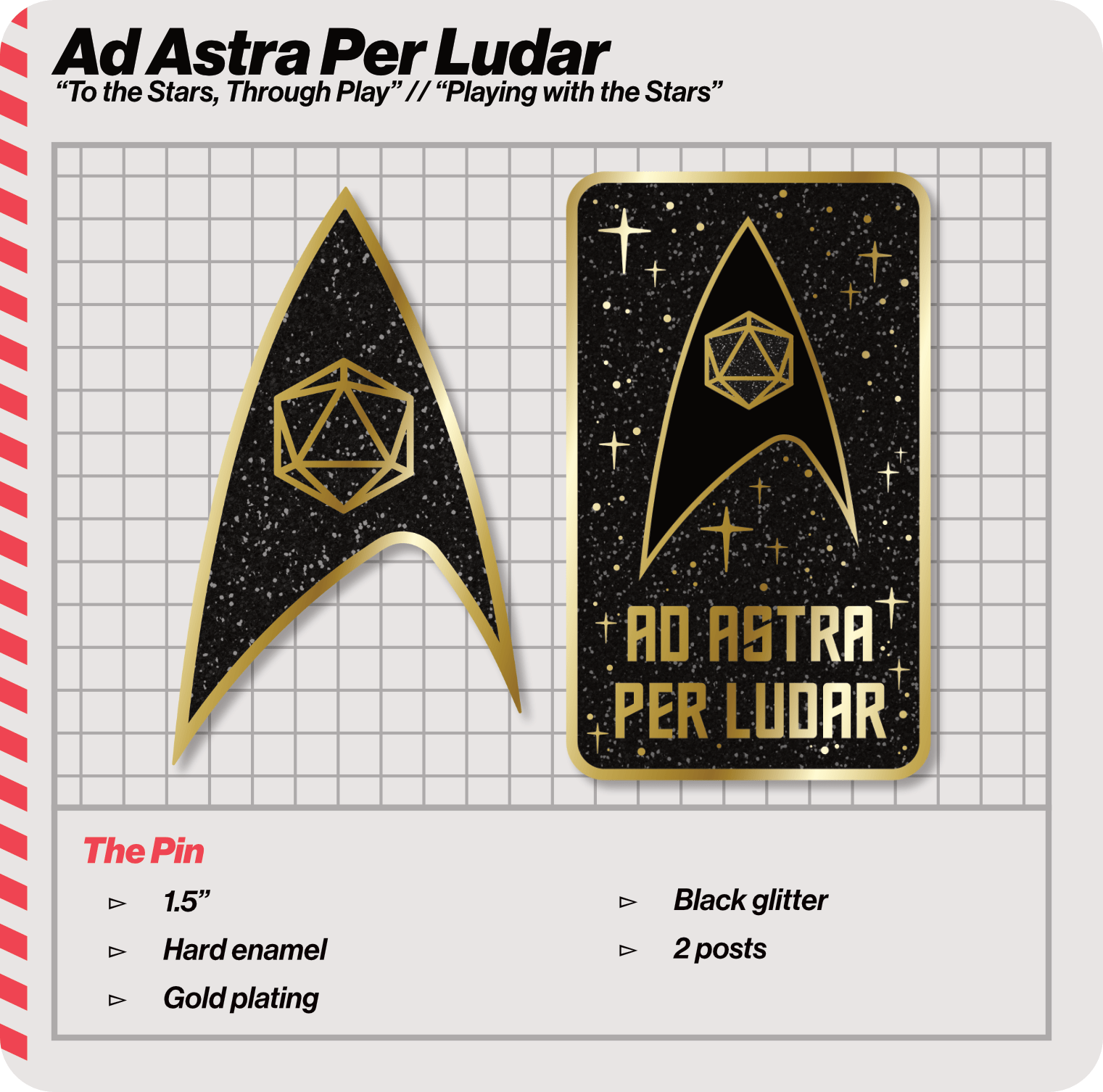
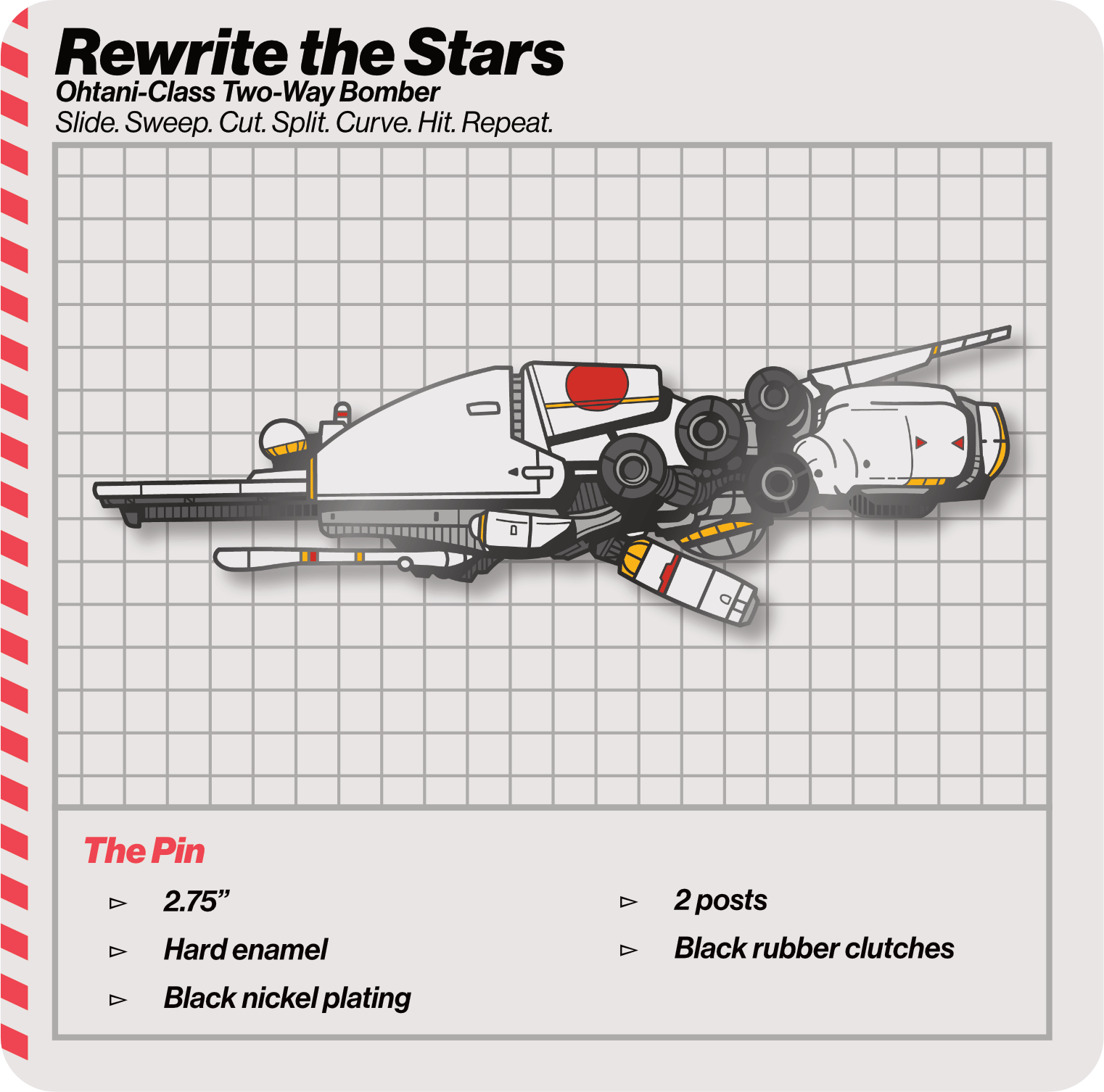
The next thing on my schedule, is promoting a little offshoot of the Infinity of Ships project, called An Infinity of Pins. It’s a project which is part of ‘Pintopia‘, from Backerkit. 20 creators producing enamel pin badges, and there’s a cross-promotional and collaborative aspect to it. There are a bunch of spaceship pin badges, based on my illustrations, that you can pick up. I’m really looking forward to getting my mitts on some of these myself.
So while I’m looking for work, and promoting these projects, feel free to have a browse and sign-up and back them if they’re your thing. Meanwhile, I might just be writing a space horror rpg of my own.
Thanks for reading, and I’ll see you soon (not literally, that would be spooky).
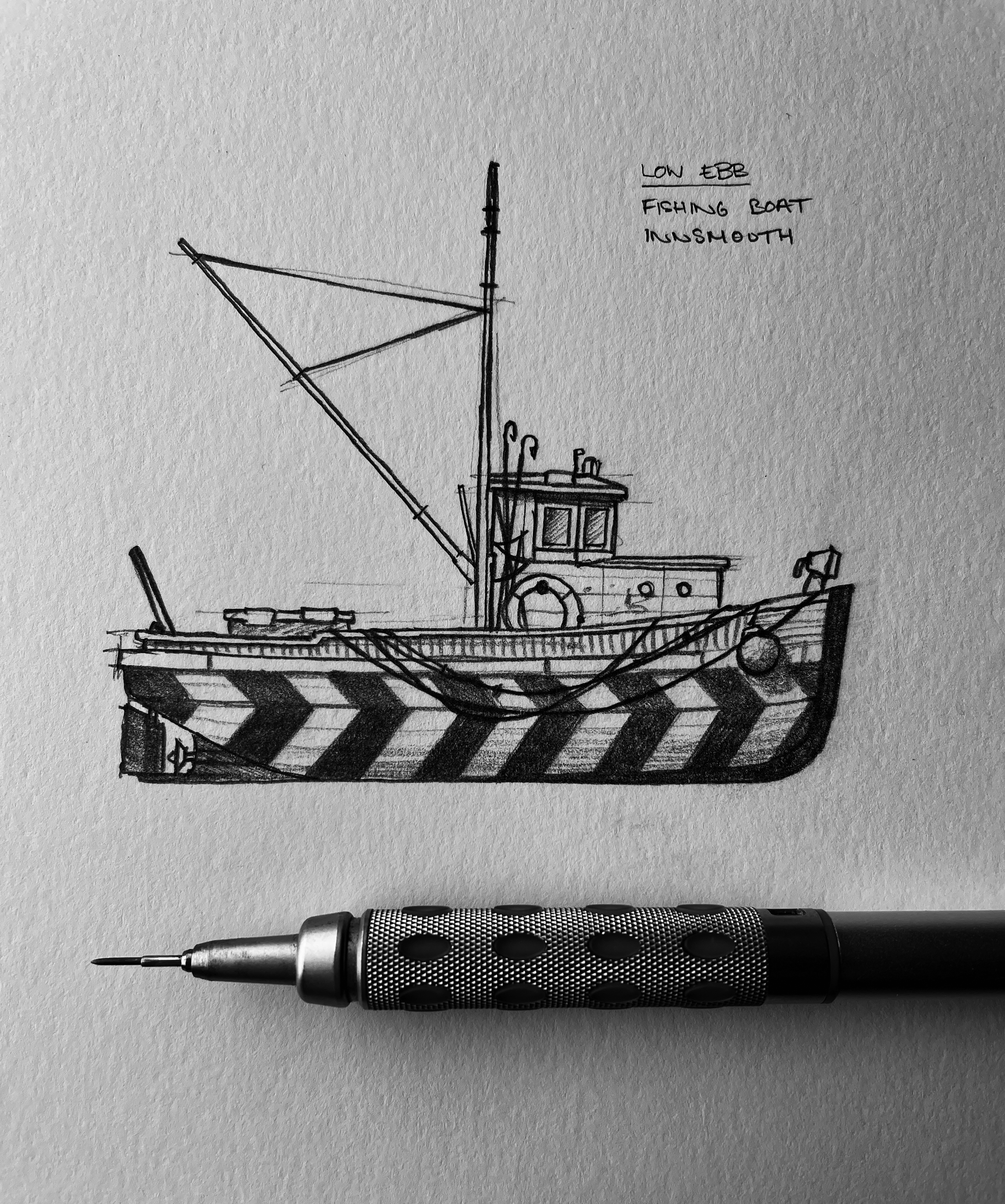
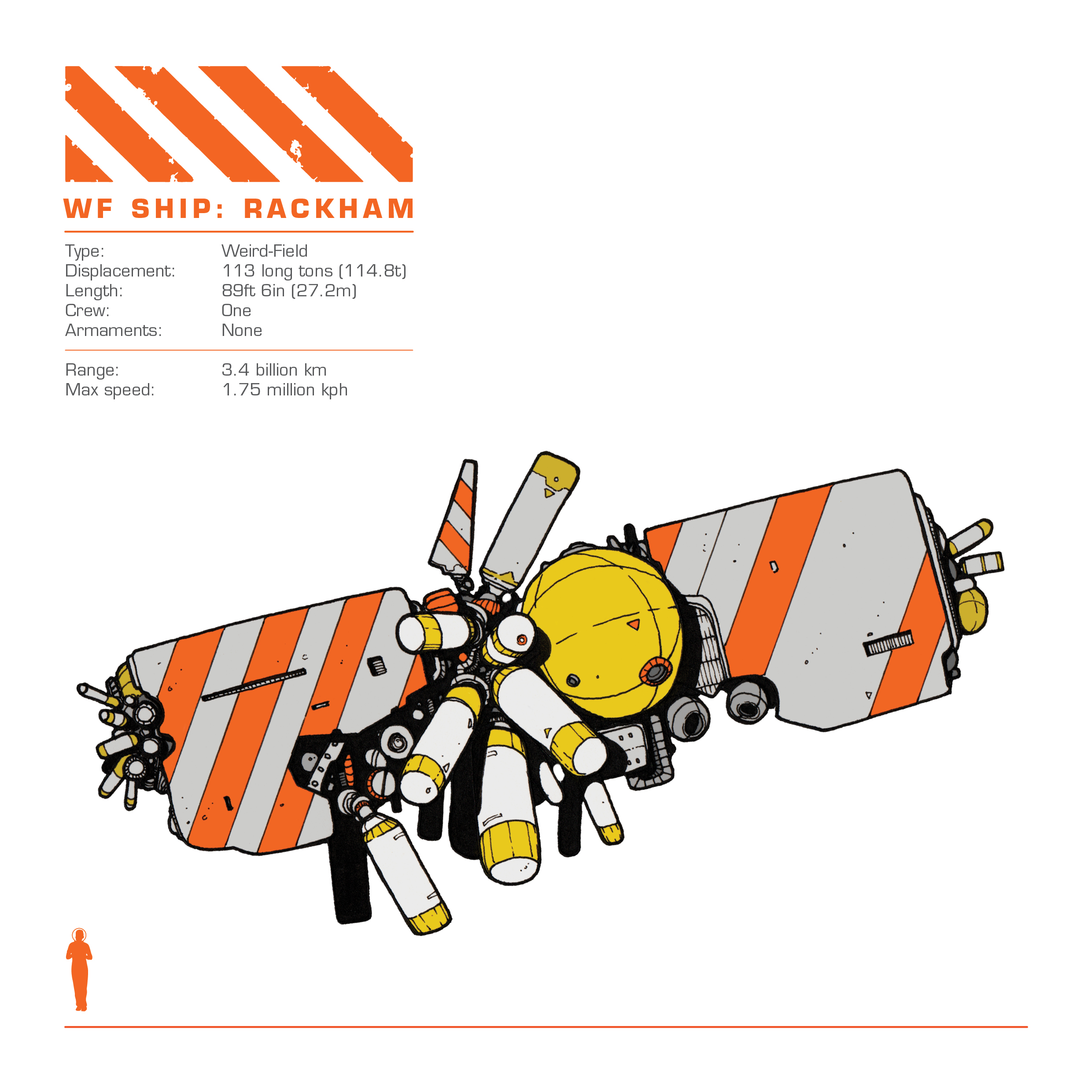
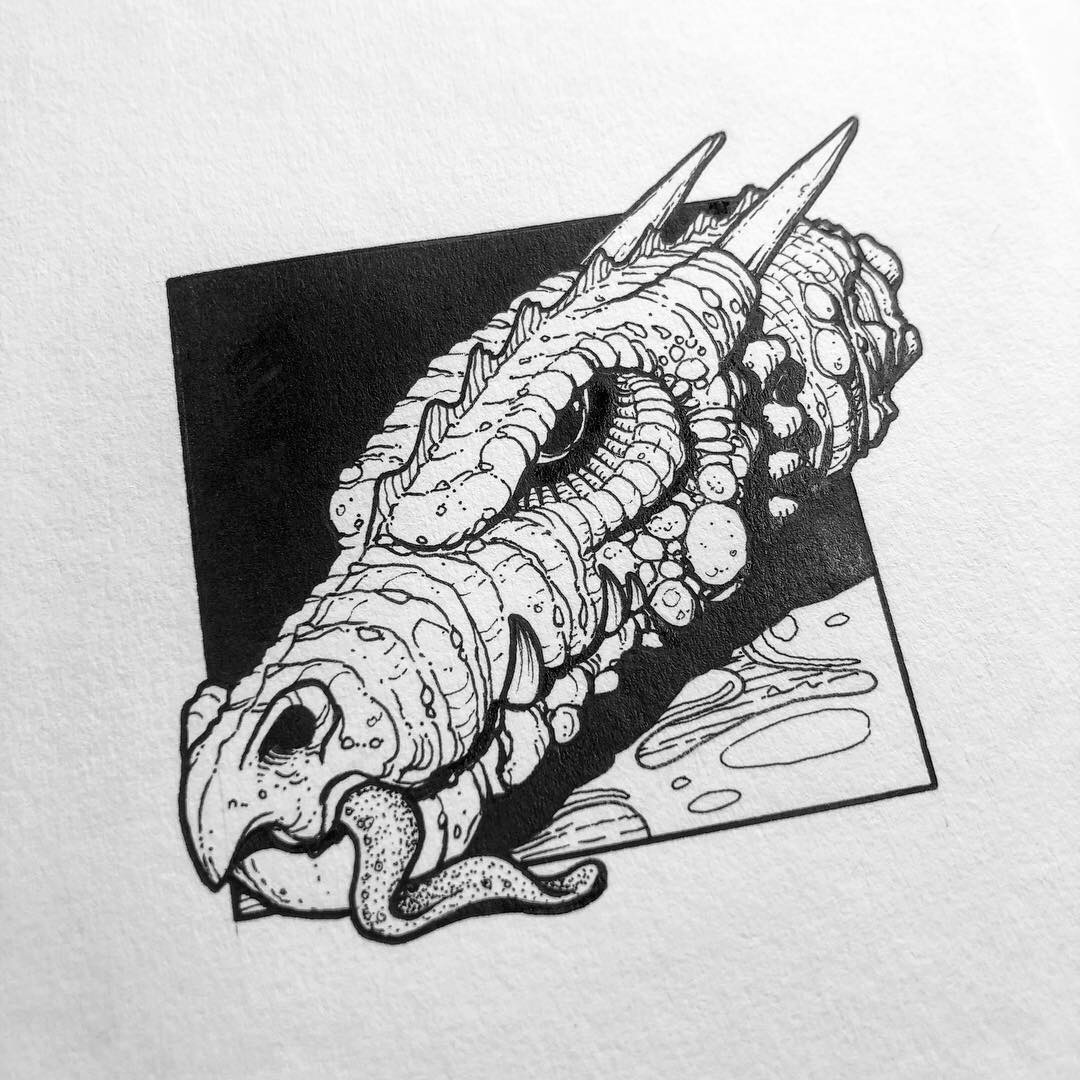
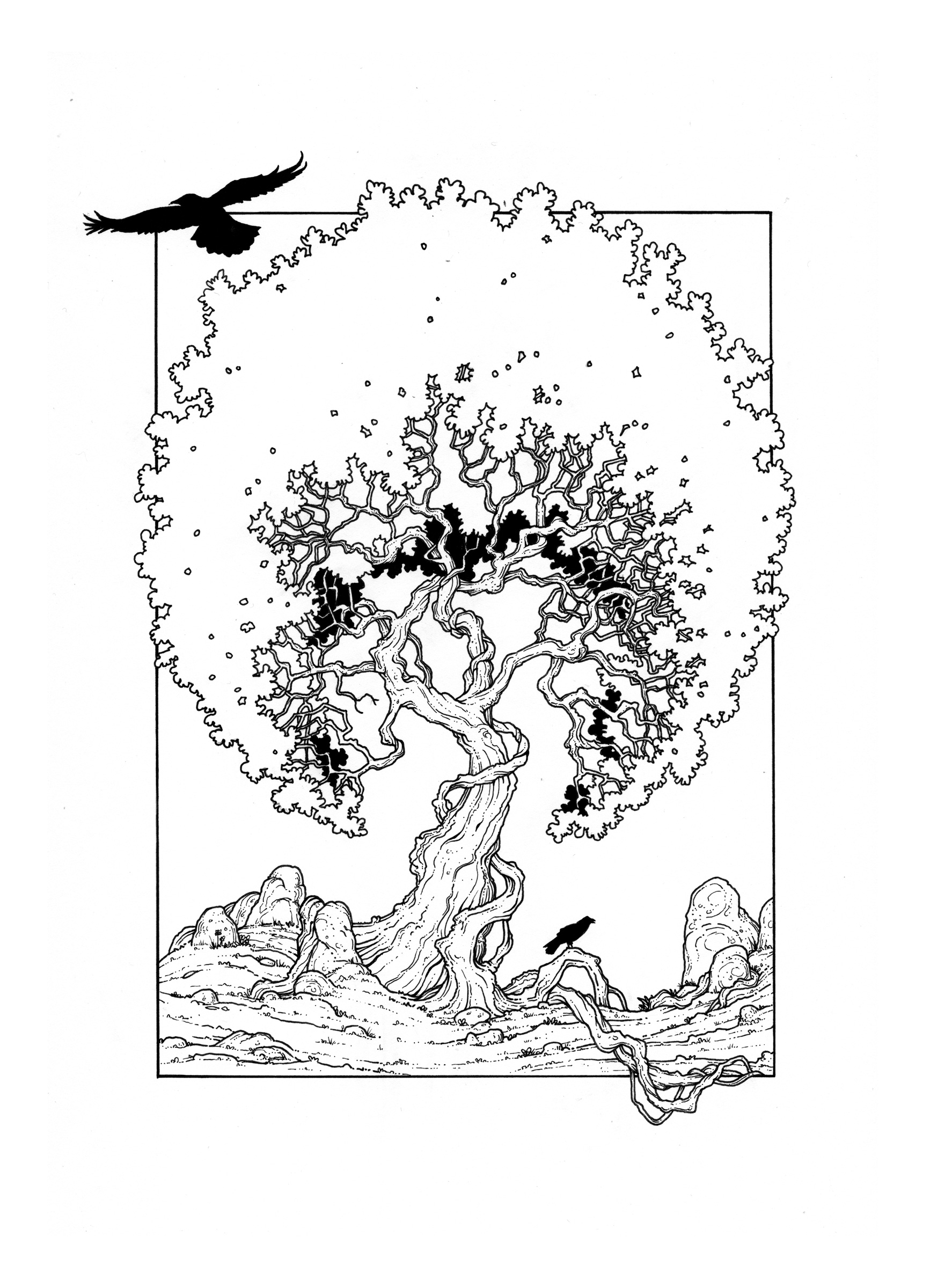
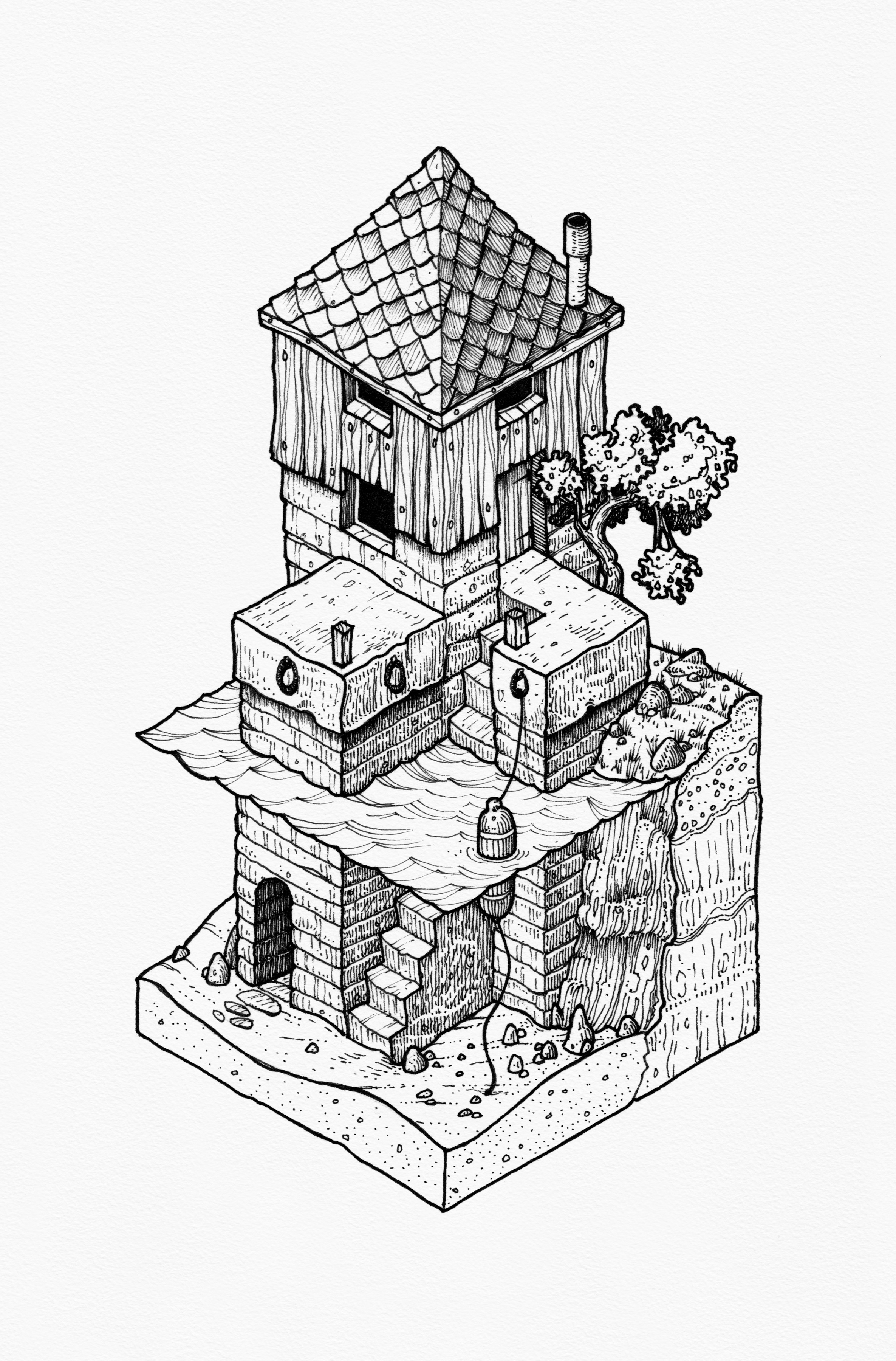
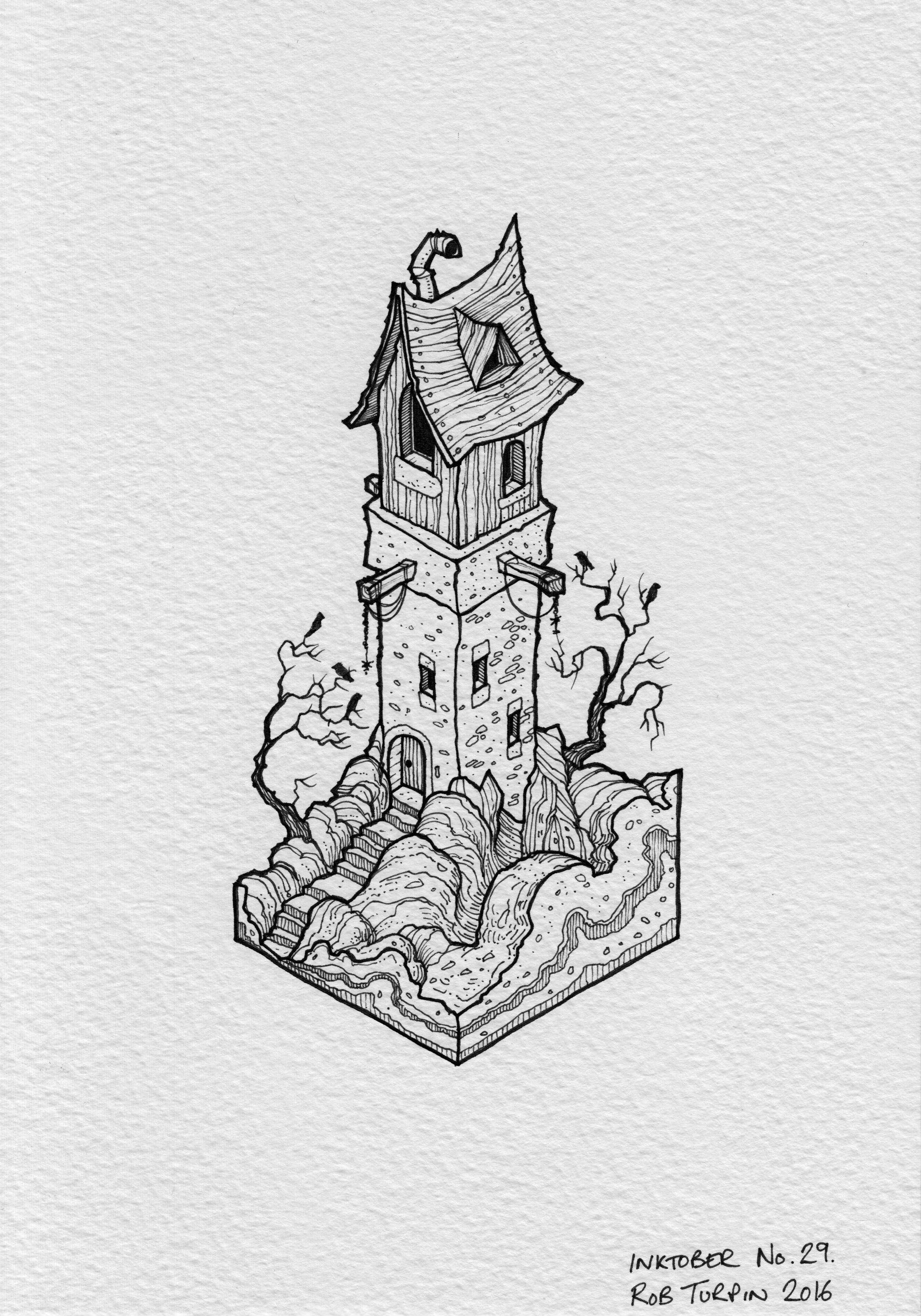
The Rackham.The Black HenThe Knucker Hole DragonThe Alp LuachraInitial sketchbook doodles.The Water House.Mining Droid II.Creature Under The Rock.Day 29 of Inktober. 4112 likes on Instagram.Day 28.Hillside Cityscape II.Sketched out and the inking started.Finished.Spaceships.
I’m now happily accepting a new round of illustration commissions for 2023. If you’ve ever wanted to own some original art – and you like my work – now’s your chance.
Commissions
If you would like to buy an original drawing, email me at rob [at] thisnorthernboy [dot] co [dot] uk , and let me know what kind of thing you are looking for. While you can ask me to draw absolutely anything, it’s probably best to stick to subjects and themes that you’ve seen me produce already. I’m not saying I’d never draw a portrait of your cats, for instance, but it’s unlikely. Some subjects I love to draw are:
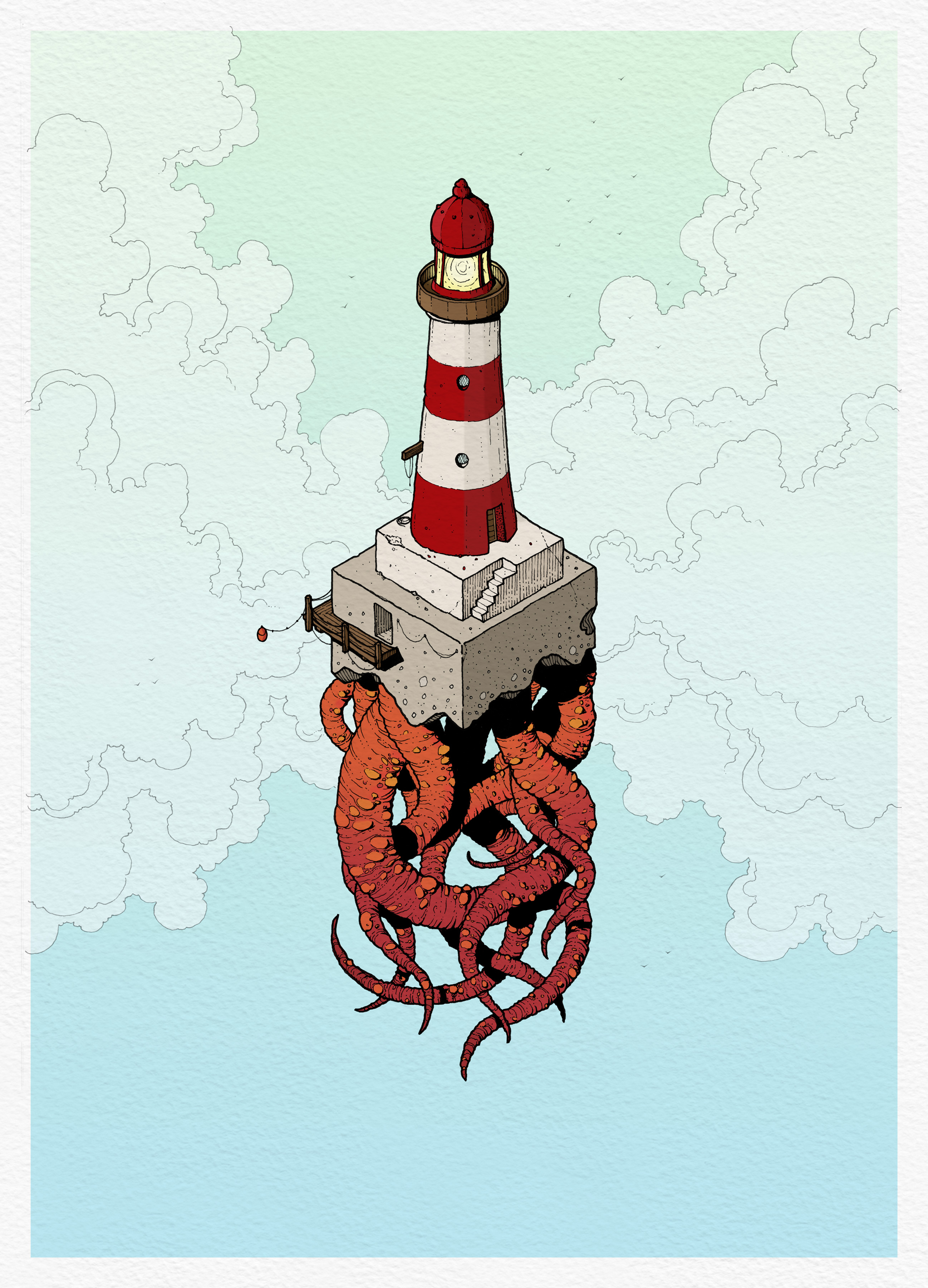
Ships and Lighthouses Isometric buildings Robots Astronauts Spaceships Imaginary places
What you’ll receive will be a black and white pen drawing, on good quality, 220gsm cartridge paper. If you would prefer a colour illustration – let me know and we can have a chat.
You can also request for the illustration to be landscape or portrait in orientation.
I can’t guarantee that every request will be something I’d be happy to draw – but I’ll do my best. If you take a look at previous posts on this blog, or on my Instagram page you can see the kinds of thinks I like to illustrate..
What will this cost?
For an A5 (148 x 210mm) commission I charge £95 + post & packaging. For an A4 (210 x 297mm) commission I charge £175 + post & packaging. For an A3 (297 x 420mm) commission I charge £275 + post & packaging. For an A2 (420 x 594mm) commission I charge £475 + post & packaging.
When you email me to request a commission, if you can include the address you’d like it shipped to, I’ll work out the cost of postage and let you know. If you’re happy with the overall cost I accept payment by PayPal or Bank Transfer.
When will you get your drawing?
I aim to complete and post all illustrations within six weeks of receiving payment.
PLEASE NOTE: This post is regarding private, personal commissions. If you want to discuss a commercial proposition – illustrations for a book, game, or anything else that you would be selling, then please get in touch directly.
I’m currently working on my Innsmouth story, and debating what form the final ‘thing’ may take. It’s being written directly to twitter, and also catalogued here in a regularly updated blog post. I do want it to be a physical product at some point. My initial thoughts were that I’d publish each chapter in a little book. Nothing fancy, just an A5, stapled, two colour book, printed on uncoated stock. Maybe collect all the chapters together in a slipcase at some point along with some prints or postcards. Sounds pretty nice I think? As I’ve been writing more and more of the story, I’m also thinking that perhaps, maybe, it’s becoming and actual book. The kind of thing I’d approach publishers about. That’s maybe a bit further down the line though.
In the meantime, while thinking about how or what to produce, I got to thinking about Kickstarter as a funding avenue for it, and it struck me that I’d never shared the stats from my last project. My Weird Field World book, surpassed all my wildest predictions. I set the funding goal high enough to cover all my costs if I sold 150 books. In the end I sold 800 exactly through Kickstarter, while having enough funds to order a couple of hundred extra copies that I sold through my store. I really enjoyed the process of crowdfunding, and Kickstarter was a pretty simple but powerful platform for it.
So here are some stats about the campaign. Nothing particularly scientific, but interesting – particularly if you have any thoughts about running a campaign of your own.
Original funding goal – £2500
Final total – £32102
Backers 900 (ten withdrew after the campaign ended)
Initial goal reached in just 36 minutes.
527% funded in 24 hours.
Average pledge – £35.67
34% of backers came from Twitter.
Just 4.5% from Instagram and 2.4% from Facebook.
8.5% organically through Kickstarter.
8% of backers went for a digital download of the book
57% went for just the physical book
33% went for book plus other rewards
36% of backers were from the UK
28% from the USA
4.25% from France
3.6% from Canada
2% from Germany, Australia and the Netherlands.
Furthest a book travelled – 11,659 miles to New Zealand
And least travelled – less than a mile.
US states with most orders – California 41, Texas 23, Washington 19, New York 15, Illinois 13.
US states with zero orders – Alabama, Arkansas, Delaware, Idaho, Montana, Nebraska, N Dakota, Rhode Island, S Carolina, S Dakota, W Virginia, Wyoming.
If you’re thinking of running a Kickstarter I would highly recommend it, and if you have any questions – feel free to ask.
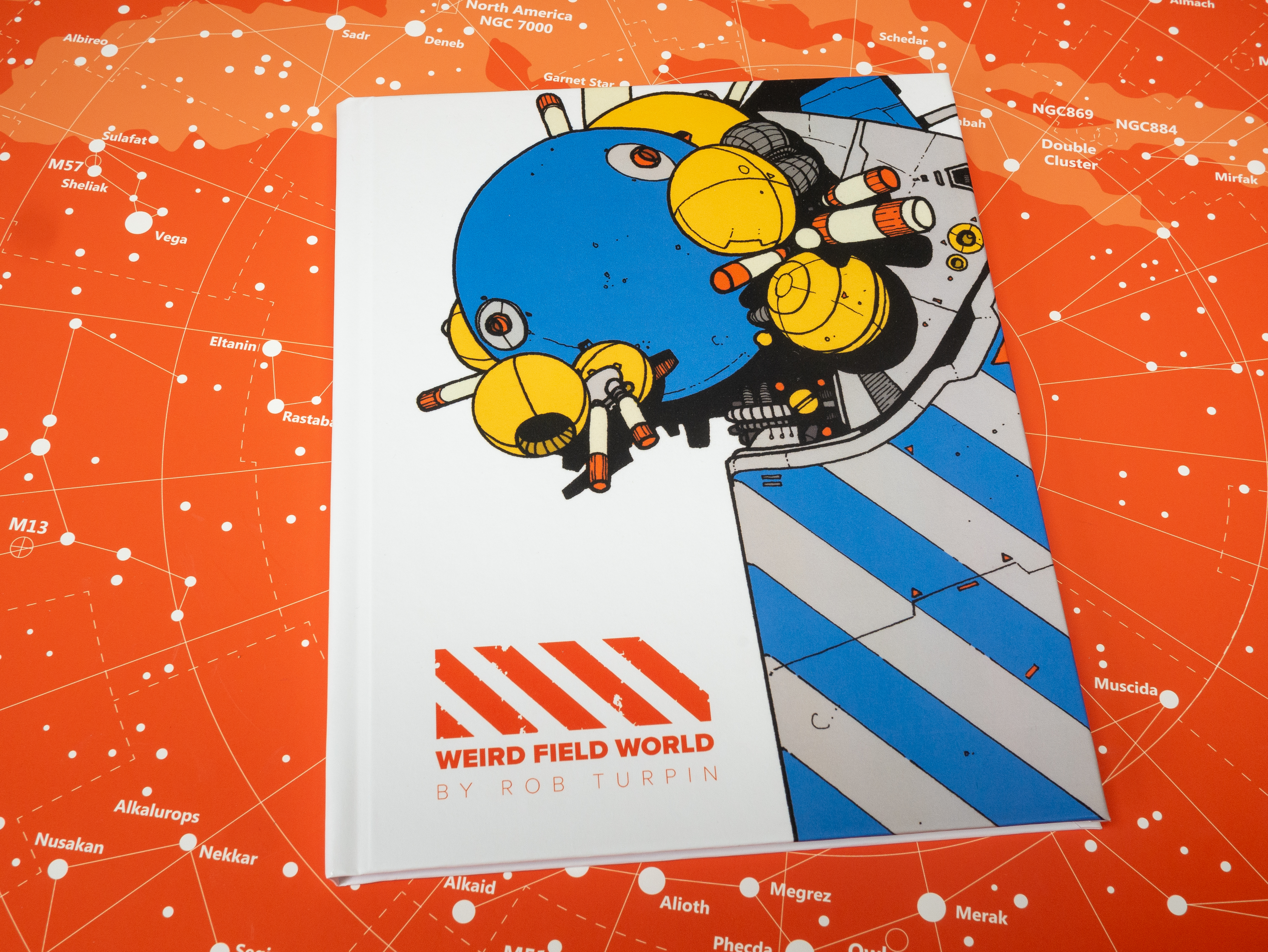
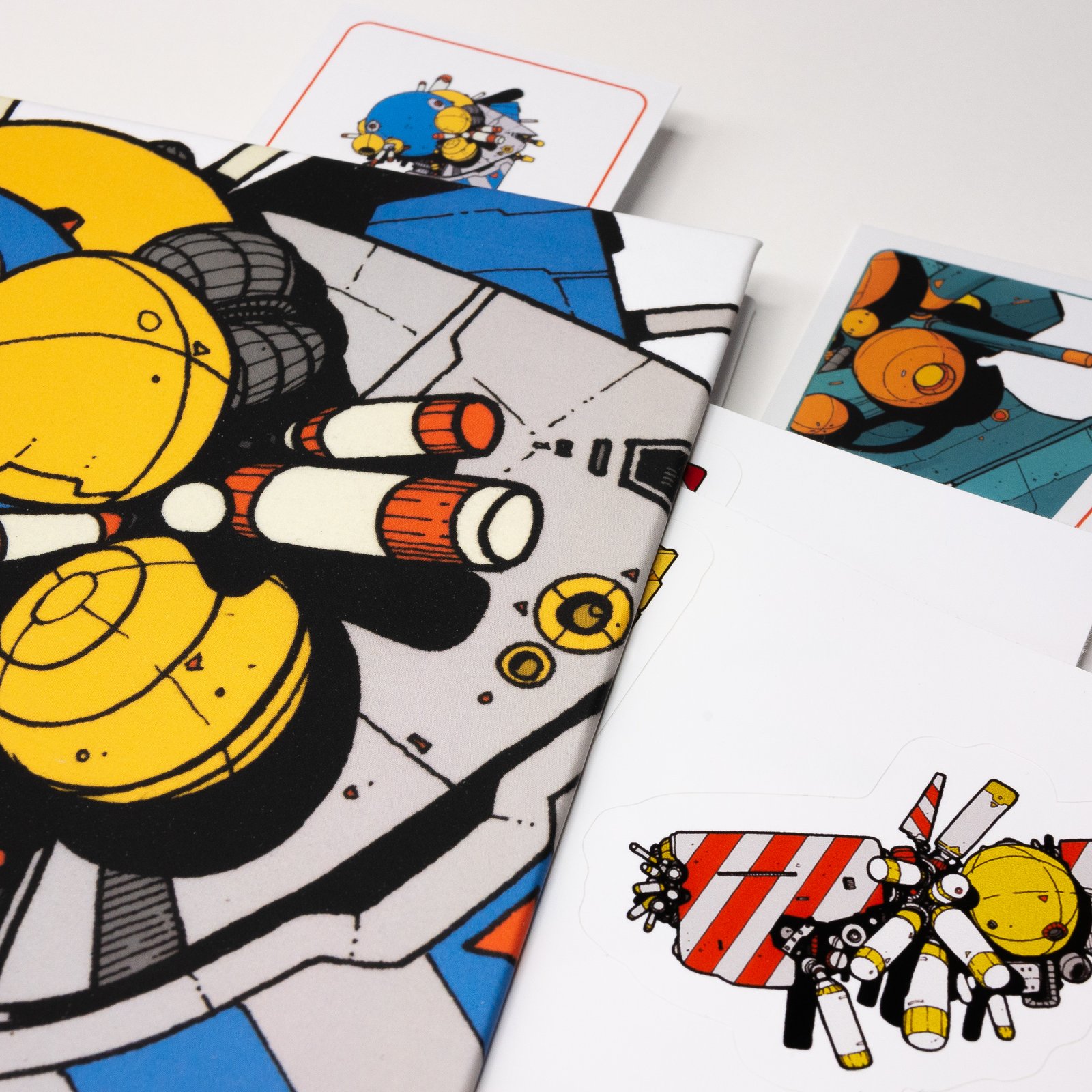
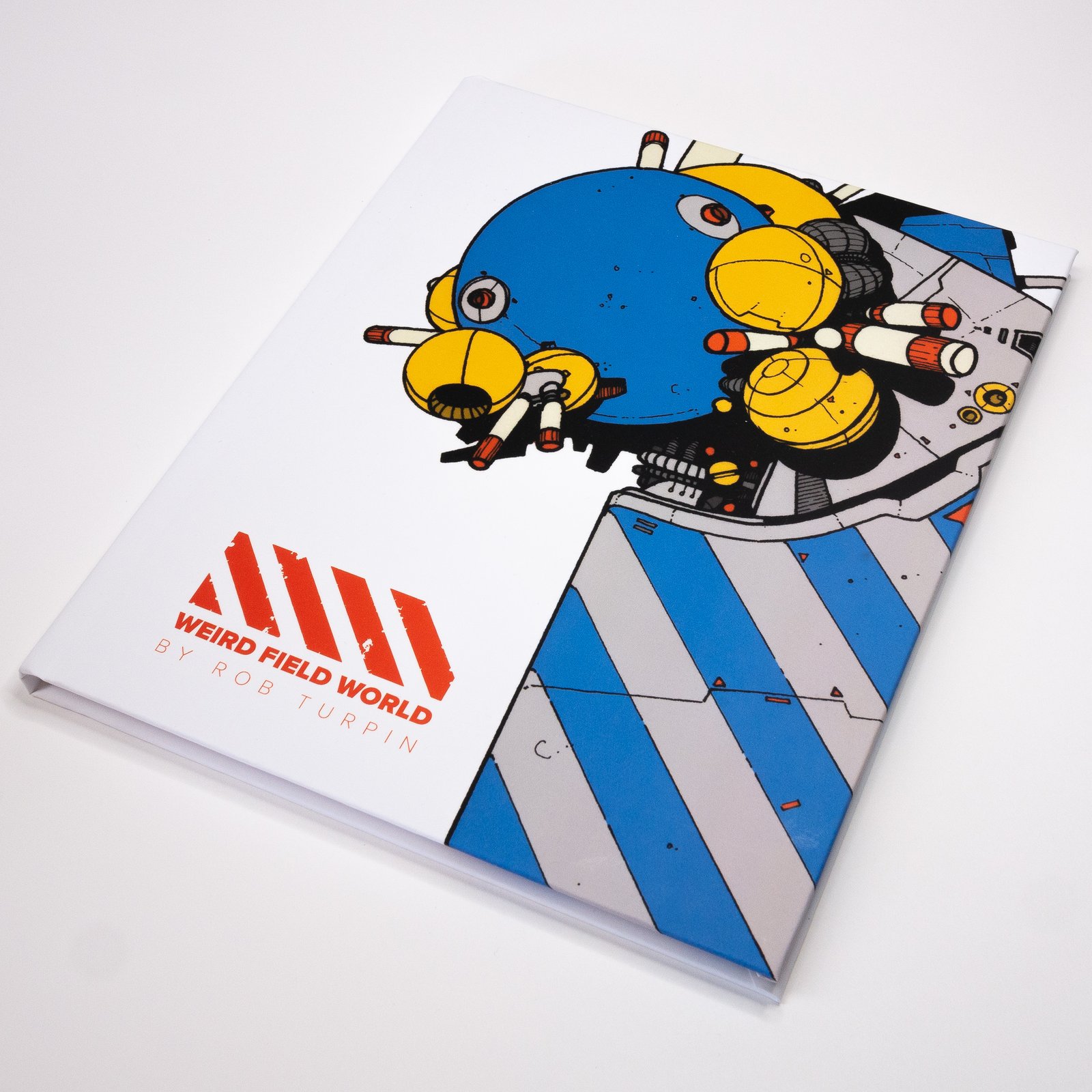
My first book, Weird Field World, is now available to buy here. If you’re a regular reader of the blog you’ll know that I ran a successful Kickstarter campaign to fund the book, and now all of the backers’ rewards have been mailed, the book is available to the general public.
The Weird Field World is a project I’ve been working on for around three years. It started off as a couple of little doodles on scrap paper, as I wondered what a spaceship might look like if it had an entirely novel form of propulsion. I figured it might look a little weird, and that name kind of stuck.
I built the project and produced content for it over on Patreon. The income from my supporters there allowing me some time to develop ideas, to write, and to draw lots of spaceships. What I’ve ended up with is a book full of spaceship illustrations, character drawings, written fiction, maps, diagrams, and a lot of world-building. I’m very proud of it, and the feedback so far has been fantastic.
If you’d like a copy, click here to buy one from my shop.
I’ve been working on the Weird Field World project for about two and a half years. For the first year and a bit it was nothing more than a collection of sketches and doodles, and then I decided to write a bit of background and I got hooked. Just over a year ago I launched my Patreon page to feature solely my Weird Field World stuff, and just yesterday I launched the Kickstarter to produce a book of the project.
It’s a hardback book, full colour, with a mixture of illustrations, sketches, and background prose and fiction. Part art book, part future history.
My funding goal was £2500 initially, with the hope that I’d get up to six or seven thousand. That would mean putting my book in the hands of around 150 people.
I passed my initial funding target in 36 minutes, £5000 in an hour and forty minutes, and right now just over 20 hours since launch, the funding stands at over 11 and a half thousand pounds. I’m absolutely astounded by the reception it’s got – so a huge thank you to anyone and everyone that’s backed or shared the project.
If you’re interested, head over to the campaign page, there are a few different pledge options to choose from.
I’ll post another update here in a couple of weeks and let you know how the fundraising is going.
This is the second of my guest blog posts, and my guest author today is Alastair Temple.
From Alastair’s website –
Alastair is a professional engineer who has been known to dabble in Digital Art and Photography. He is a founding member and administrator of the international art collective The Luminarium.Alastair has worked with a number of clients worldwide ranging from bands and artists such as Delta Mainline and Jonathan Kreisberg to publishers such as HarperCollins.Alastair is from Scotland and is currently based in Malmö, Sweden.
This blog post has taken me quite a long time to write (we are coming up for about 10 months now), partly because I am very good at putting things off and partly because I really wasn’t sure what to write about. When I initially put myself forward for doing this I had suggested that I put together a walkthrough for my piece Going Home, but the more I thought about it, the more it seemed relatively uninteresting (for those that do want it, I have included a quick overview at the end).
Going Home
It was only after making a more recent piece, my Lighthugger illustration, and how well received it was that I thought of something which will hopefully be more interesting. I realised what I had done well in these pieces, and it is consistent if you look back through my portfolio (for example my first ‘successful’ scifi piece The Guardians has similar features) it is that I hide the lack of details, and hint at them rather than showing them.
Lighthugger
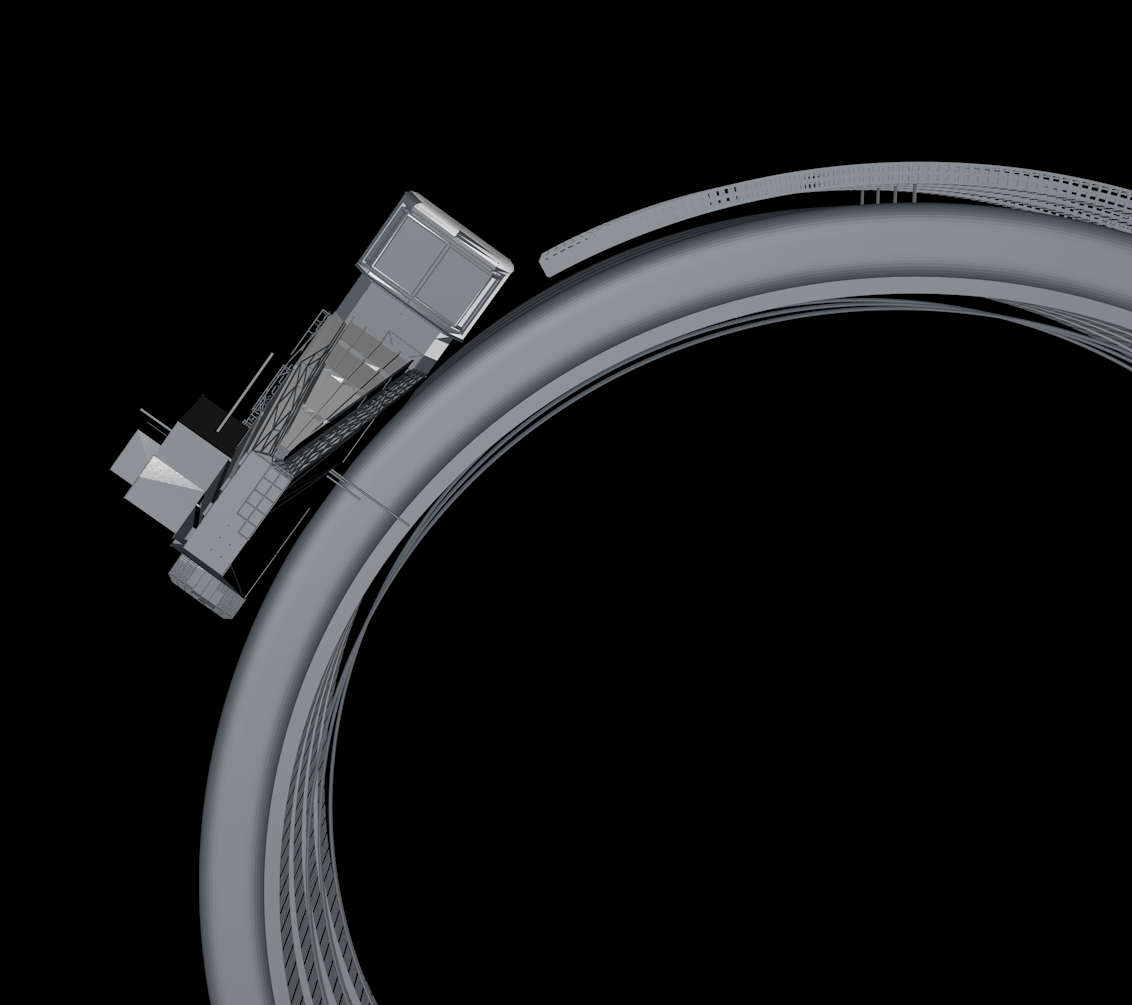
This is even clearer when we look at some of the actual models for example those of the jump gate/portal from Going Home. To put it simply I am not a very good modeller, and I can’t paint, so I have needed to come up with some strategies to hide these facts while I slowly improve them. It is these that I will share with you today, and hopefully they will help someone else out there as well.
The Guardians
Model close/ups (lighting and textures removed):
Model Close UpModel Close Up
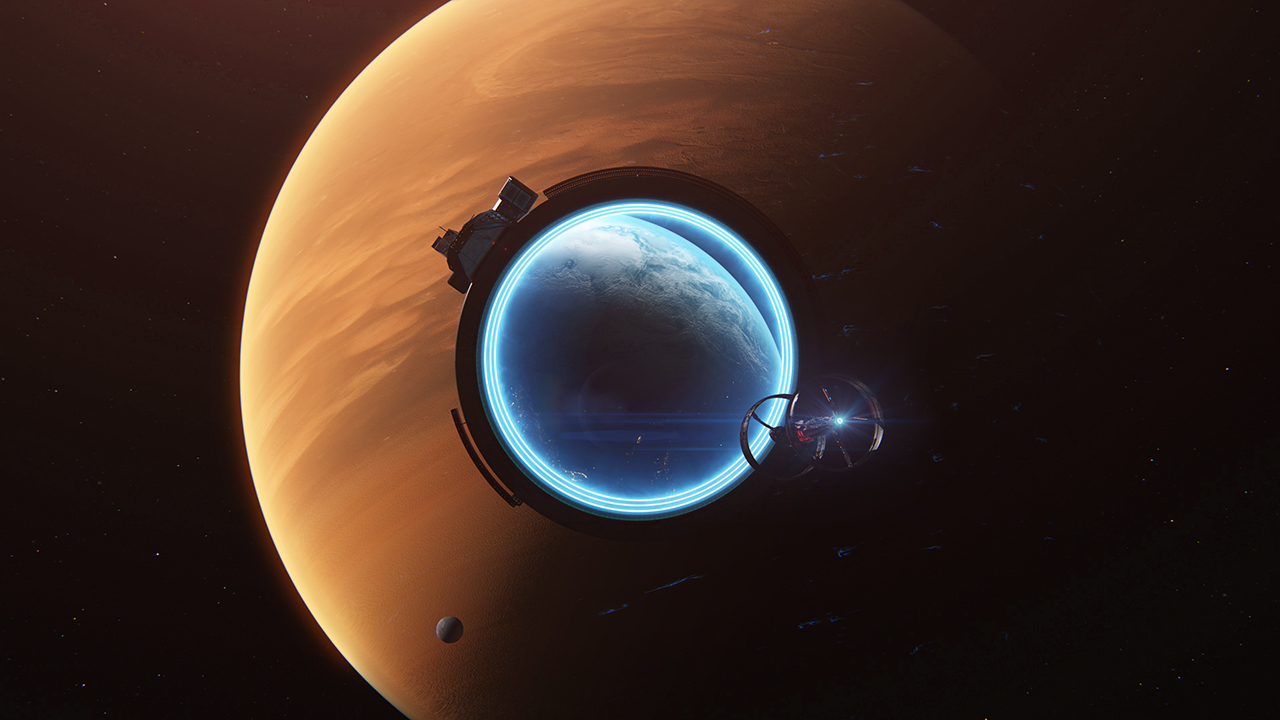
Strategy Number 1 – Scale is your friend The first and simplest way to reduce the detail needed is to make use of large scale scenes. When things are a long distance from the observer, you simply can’t see as much. For example in Going Home I didn’t need to worry about if the windows looked real or the structure made sense because you can’t see it. Scale allows you to think about general proportions of the object and how it fits into your composition while not having to worry about all the little details that make an object look real when close up.
Strategy Number 2 – Utilising Lighting. The second strategy is to use lighting to hide or obscure areas and therefore minimise the detailing required. Here backlighting (or side lighting) is your friend. These types of lighting are dramatic to start with which is a definite bonus, but also they highlight the overall shapes of your objects, the shape of any key components and to use textures to hint at smaller details. If we take for example my Lighthugger piece, the use of backlighting, and the nebula behind the ship allows me to define the conical shape of the ship, highlight the two outboard ‘conjoiner drives’ and the ice shield on the front. I can use textures/displacement maps to hint at panelling and other details on the rest of the ship as well as adding some lights to give an impression of windows/exhaust vents/hangar bays etc, without having to worry about if the actual details make any sense. If we take the same model and piece, and reverse the lighting so it is front lit, then you can quickly see it looks like the simple model it is and there aren’t any real details to speak of.
Lighthugger – final with backlightingLighthugger – lit from front
Strategy Number 3 – Use Assets (by others and yourself) This is a fairly simple and straightforward point. You don’t have to create everything from scratch for every piece. In all of the pieces I have talked about today I have re-used things I created for other projects, I have kitbashed from my own assets and kitbash packs (there are a lot of good free ones out there if you don’t have the budget to pay), I have used textures made by others and I have used generative programs to create things in ways I would not be able to myself.
For example in The Guardians we have:
The large structure I created in Mandulbulb3D, just messing with parameters until I had something I liked.
The lens flare was created by my friend Bobby Myers for me to use for the project.
In Going Home:
The ship was kitbashed,
The planets were both created using Video Co-pilots orb plugin (and the base texture for the gas giant was an acrylic paint texture by Julian Frener).
The engine lens flare is from a pack I bought a while back.
In Lighthugger:
The ship utilises textures by Travis Davies and some created in JSPlacement.
The background nebula is created through a number of fractals made in Apophysis.
So I guess what I am saying is, don’t let your lack of skills in certain technical aspects stop you. Work on them definitely, but in the meantime, minimise their impact on your final piece by starting simple. Concentrate on getting the composition, colours and feel right and try and do a little more each time!
That walkthrough overview for those who are interested:
Model jump-gate in favoured 3D software (I used Cinema4D, but 3DsMax, Blender or any other could easily achieve the same results).
Model or kitbash a spaceship design also in 3D. Include both in the same model so they are lit the same, but render separately to ease composition later.
Make 2 planets, I utilised Video co-pilot’s Orb plugin for After Effects for this and utilised an acrylic paint texture for the gas planet.
Composite in photoshop (note for a central composition like this, you want everything to be almost, but not quite symmetrical).
Add lighting effects, lens flares etc and do final colour corrections.
Save and upload.
Huge thanks to Alastair for putting this blog post together. As someone who is just starting to learn 3D there’s a lot of great advice here. Hope you’ve enjoyed reading this as much as I have. Do check out Alastair’s links, website and social media.
I’ve started a Patreon page. If you don’t know of Patreon –
For creators, Patreon is a way to get paid for creating the things you’re already creating (webcomics, videos, songs, whatevs). Fans pay a few dollars per month OR per post you release, and then you get paid every month, or every time you release something new.
Currently I make a living dividing my time between being a freelance graphic designer, and being an illustrator. My income from illustration breaks down in to Commercial work – like book illustration or video game concept art, Private commissions – selling original art to order, or by selling prints and postcards of my work. These are all great outlets for my work, but it’s hard to predict how busy I’ll be with commissions at any one time, or if I’ll receive any commercial work.
Starting a Patreon page should give me a small, but regular monthly income from my art. It may be enough to buy some art materials, it might be enough to pay some bills. I’ve really no idea yet, but every little helps.
Here’s how it works.
My Patreon page will feature only my work on Weird Field World – that’s all the strange knobbly spaceships I draw.
If you want to become a Patron, and to support my work you can choose from three tiers of membership.
$2 per months gets you access to –
Regular posts including illustrations, background, and fiction.
Access to sketches and process videos as I work on the project.
Early opportunity to buy original illustrations.
Digital exclusives – like desktop or phone wallpapers.
$4 per month gets you all of the above plus –
One original Weird Field World sketch per year.
A set of three postcards featuring WF spaceships.
$6 per months gets you all of the above plus –
Choose the name of a Weird Field World spaceship (which will become canon in the universe) and receive a colour sketch of that ship.
Regular content for all subscribers will be sketches and final illustrations, background writing on the universe including a timeline and history of the story, maps and charts, technical drawings of spaceships, and I will also be writing some fiction to accompany the drawings.
If you’re interested in supporting me in this way, head over to my Patreon page for a look. Patronage starts at just $2 per month.
I have a new print available over at Ellipress. It’s a follow up to my Deep Space Fleet work of last year. Deep Space Fleet II features fifty brand new spaceships, in (for me) a surprising variety of colours! Printed on 308gsm 100% cotton artist’s paper, using archival inks the new poster can be bought in A4, A3, and A2 sizes.
I’m really pleased with how it’s turned out. It might be my favourite print yet.





































 this northern boy